How to Choose a PCP Air Rifle for Range Practice and Recreational Shooting

Choosing a PCP air rifle can be surprisingly difficult for a first-time buyer. There are numerous specifications to compare, but not every number on a product page has the same importance. The best approach is to start with how you actually plan to use the rifle and then work backward from those needs.
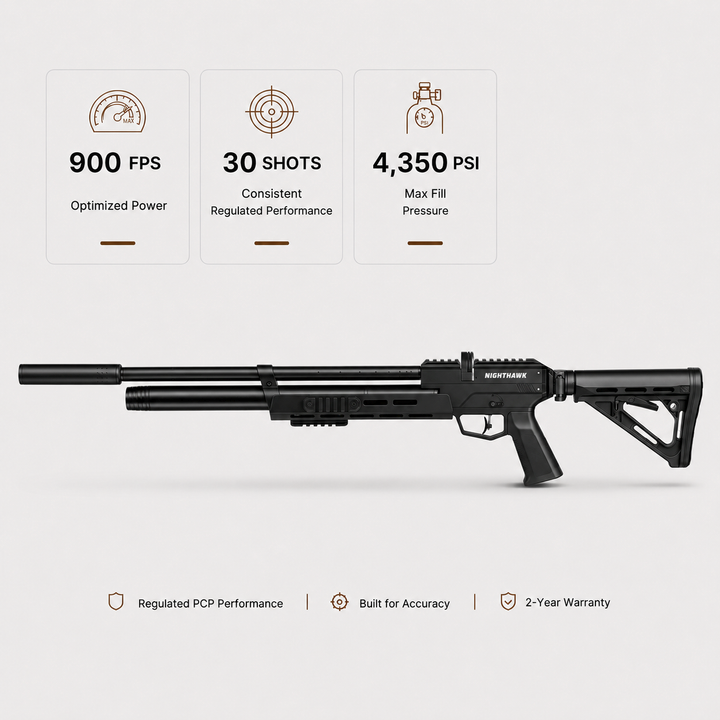
For general target practice and recreational shooting, consistency should usually be near the top of the list. A rifle that produces predictable shots is easier to learn with and easier to evaluate at the range. This is one reason regulated PCP systems have become popular among recreational shooters.
Caliber is another important consideration. .177, .22, and .25 are common options, and each has different characteristics. .177 pellets are widely used for target shooting and are generally economical. .22 offers a popular middle ground between pellet weight, trajectory, and versatility. .25 uses heavier pellets and may appeal to shooters with specific performance requirements. Local laws and the intended application should always be considered before choosing a caliber.
Shot count is also worth examining, but advertised shot counts need some context. The number of usable shots depends on factors such as reservoir size, regulator settings, caliber, power level, and the definition of a “usable” shot. Two rifles with similar reservoir capacities may therefore produce different results.
Size and weight can make a bigger difference than expected. A compact bullpup design may be easier to maneuver, while a longer traditional configuration may provide a different balance and shooting feel. Neither design is automatically better. It depends on whether the rifle will primarily be used from a bench, at a range, or in other controlled shooting environments.
The filling system should not be overlooked either. PCP rifles require a suitable high-pressure air source, which may include a compatible hand pump, compressor, or air tank. Anyone buying a PCP should factor this equipment into the overall setup rather than treating the rifle as a completely standalone purchase.
Other details become important once the basic requirements are clear. Check the maximum fill pressure, regulator performance, magazine capacity, barrel threading, rail configuration, trigger characteristics, and included accessories. These features can affect how easy it is to configure the rifle for your preferred shooting style.
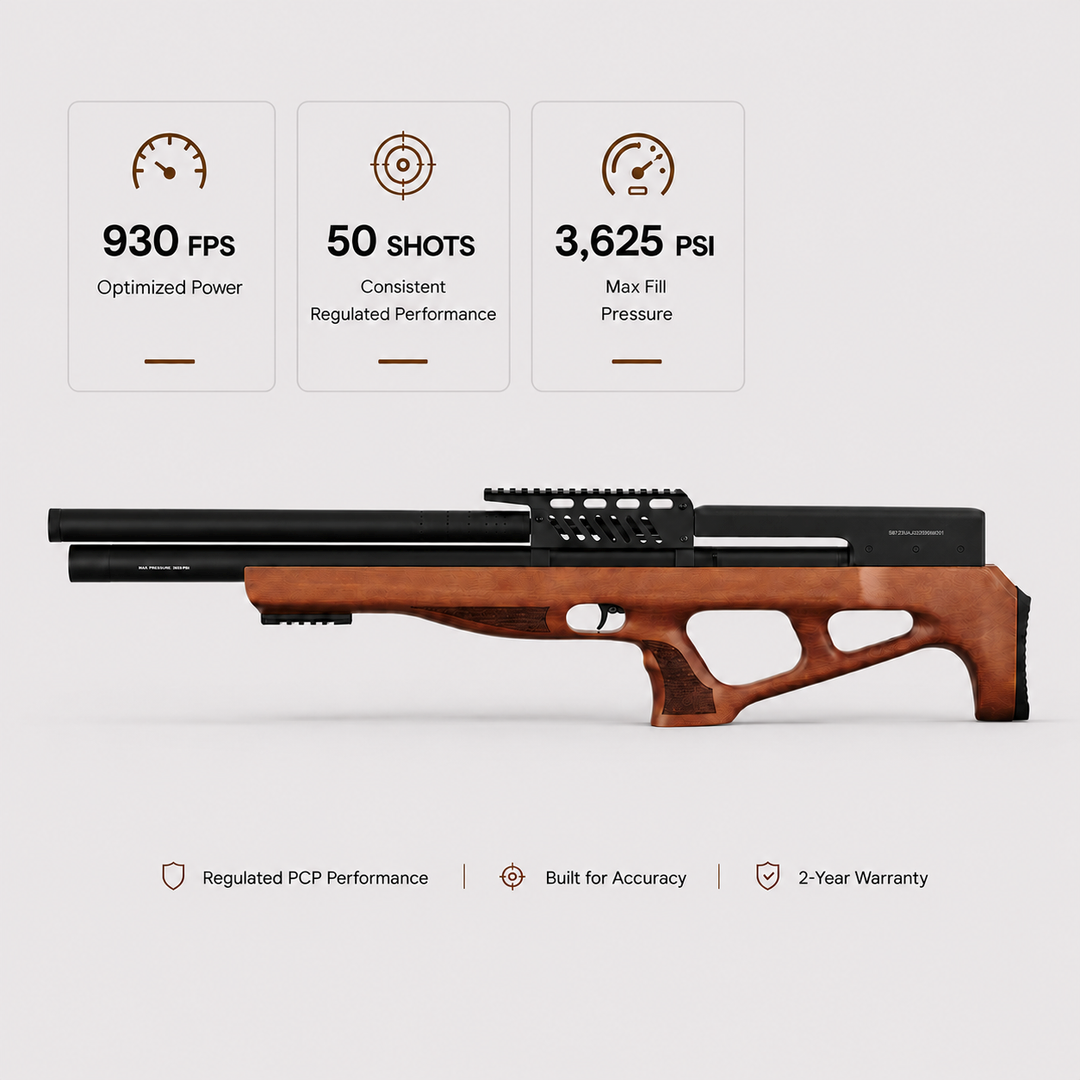

When comparing PCP air rifles, it is tempting to focus almost entirely on FPS. That can be misleading. A higher advertised velocity does not automatically mean a better shooting experience. Consistency, efficiency, handling, and overall configuration often matter more in day-to-day use.
A good PCP platform should ultimately match the shooter rather than simply win a specification comparison. Start with your intended use, choose an appropriate caliber, determine how much air capacity you realistically need, and then compare the features that will actually affect your shooting sessions.