
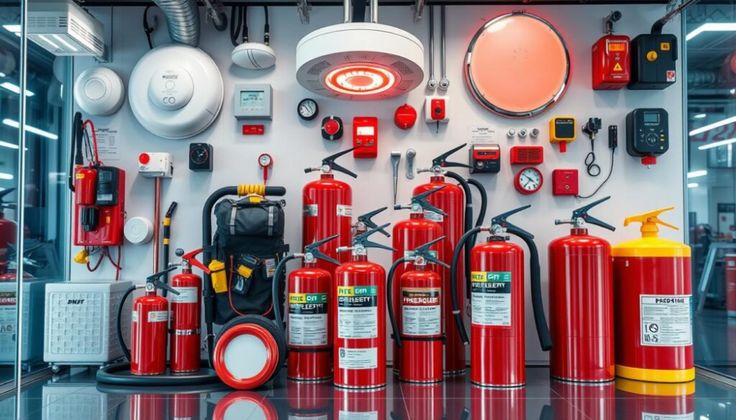
Securing High Occupancy Properties During Temporary Fire Protection System Outages
Crowded properties require careful planning whenever normal fire protection equipment stops working. A temporary outage can leave occupants without the usual level of warning or automatic response. Property managers must therefore arrange added observation until regular systems return. Trained Florida fire watch guards can patrol affected areas and identify visible hazards quickly. Clear duties help staff respond correctly when smoke, unusual heat, or another concern appears. Careful supervision also supports orderly movement and safer daily operations throughout the disruption.
Managing Safety During System Downtime
Temporary outages may affect alarms, sprinklers, pumps, or other protective equipment. Managers should first understand which areas have lost normal coverage.
They can then assign patrol routes and explain emergency duties to responsible personnel. Regular observation helps maintain awareness while repair teams restore affected equipment.
Patrol Duties That Improve Protection
Effective patrol work depends on clear routes, regular checks, and accurate communication. Each assigned person should understand which spaces require closer attention during downtime.
- Inspect occupied floors regularly for smoke, heat, or unusual odours.
- Check that exit routes remain clear for quick emergency movement.
- Report damaged electrical equipment that may create additional fire hazards.
- Watch storage spaces containing materials that could burn easily.
- Record patrol times and locations for accurate property safety documentation.
- Keep communication devices ready for immediate contact with responsible managers.
- Observe repair areas where temporary work may create ignition risks.
- Confirm emergency doors remain usable throughout every scheduled inspection round.
Maintaining Order in Crowded Buildings
High occupancy properties require extra attention because many individuals may need assistance. Busy corridors, shared spaces, and multiple floors can make emergency movement more difficult.
Assigned personnel should understand exits, stairways, gathering points, and restricted locations. Good preparation reduces confusion if an urgent situation develops during an outage.
Preserving Safety During Busy Occupancy
High-occupancy properties require careful supervision when fire protection systems become temporarily unavailable. Regular monitoring helps identify hazards early while keeping evacuation routes ready for occupants.
- Conduct frequent patrols across crowded areas and shared spaces.
- Keep emergency exits visible, clear, and easy to reach.
- Watch electrical rooms for unusual heat, smoke, or odours.
- Check hallways regularly for objects blocking safe evacuation routes.
- Record every inspection with accurate times and observed conditions.
- Report possible hazards immediately to responsible property management staff.
Coordinating Staff During Temporary Coverage
Building employees should know who receives reports when patrol personnel find a concern. Managers should provide simple instructions covering communication, evacuation, and restricted spaces. Defined responsibilities prevent delays and help everyone follow the same response process.
Strengthening Observation Across Occupied Areas
Scheduled rounds should cover common rooms, storage sections, service spaces, and occupied floors. During extended disruptions, property teams may use Florida fire watch guards to maintain continuous visual supervision across assigned zones.
Patrol frequency should reflect current conditions, occupancy changes, and repair activity. Records should remain complete, so every completed round can be confirmed later.
Planning Coverage Around Property Conditions
Every property has different operating patterns that influence temporary protection planning. Managers should consider building use, occupant movement, staffing periods, and repair schedules. These details can help determine where added attention may be necessary.
Consistent Oversight Supports Safer Operations
Reliable oversight depends on disciplined routines rather than complicated procedures. Steady patrol schedules create dependable coverage while restoration work moves forward. Accurate documentation provides evidence that assigned duties were completed as planned. Securing High Occupancy Properties During Temporary Fire Protection System Outages requires consistency, coordination, and careful execution throughout every temporary disruption. Perfection is less important than maintaining dependable actions that protect occupants until full safeguards resume.